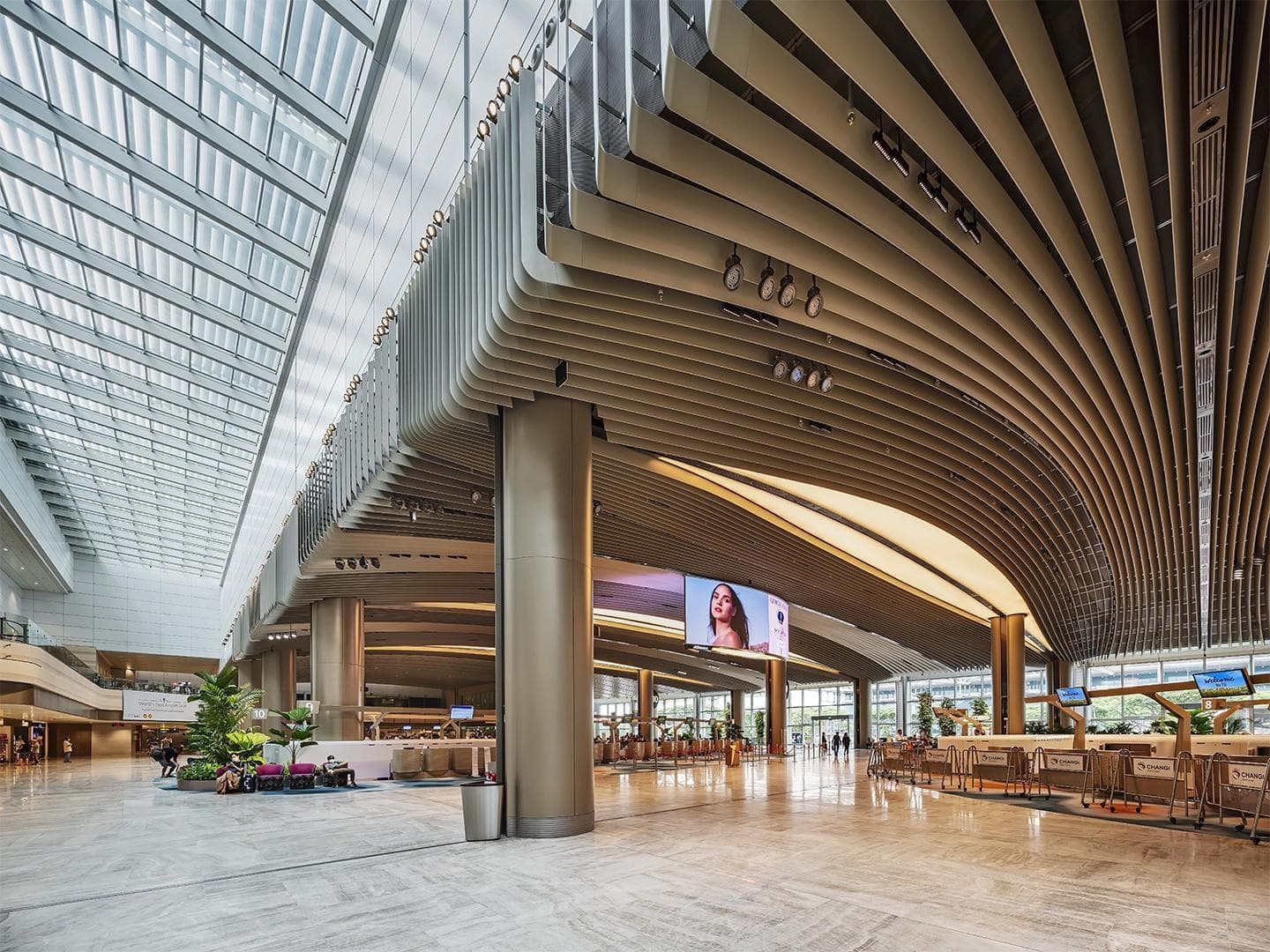
Human-Centric Lighting
Incorporating Human-Centric Lighting (HCL) into ceilings can have a profound impact on the day-to-day lives of occupants. When artificial light is synchronised with our natural circadian rhythms it can lead to improved sleep, mood regulation, and overall wellbeing. In this whitepaper, we illuminate the often-neglected physiological and psychological effects of lighting and look at how HCL systems can be seamlessly integrated into metal ceiling structures without compromising on design.
Incorporating Human-Centric Lighting (HCL) into ceilings can have a profound impact on the day-to-day lives of occupants. When artificial light is synchronised with our natural circadian rhythms, it aids in supporting our innate biological functions, leading to improved sleep, mood regulation, and overall wellbeing.
Human-Centric Lighting: Lighting Integration Options for Metal Ceilings illuminates the often-neglected physiological and psychological effects of lighting. Central to this exploration is the concept of HCL, a design philosophy that acknowledges the intricate interplay between light and human health. In this context, we look at how HCL systems can be seamlessly integrated into metal ceiling structures without compromising on design.
Durlum metal ceilings not only look good, they lend themselves well to the design process—flexibly configured, functional, and low-maintenance. The company offers infinitely customisable ceiling systems that are not limited in range and can be integrated with any type of lighting that adapts to human biological rhythms.
Related Articles
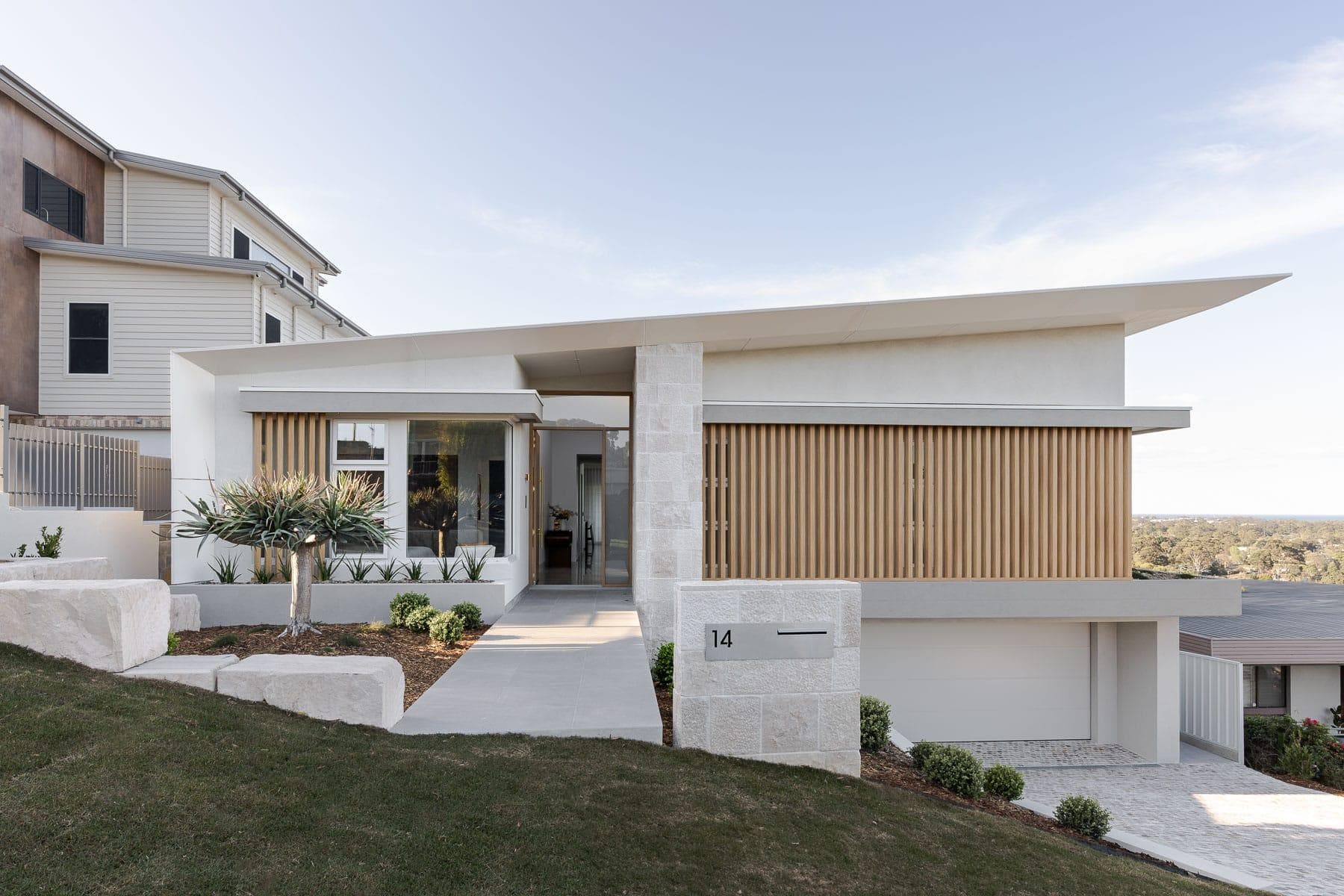
Customising Residential Facades
Residential architecture is moving beyond standardised facades, with growing demand for customised forms, refined detailing and layered materiality. This white paper explores how Aluminium Composite Materials (ACMs) support design flexibility, durability and compliance, helping architects deliver distinctive residential facades that are both buildable and suited to Australian conditions.
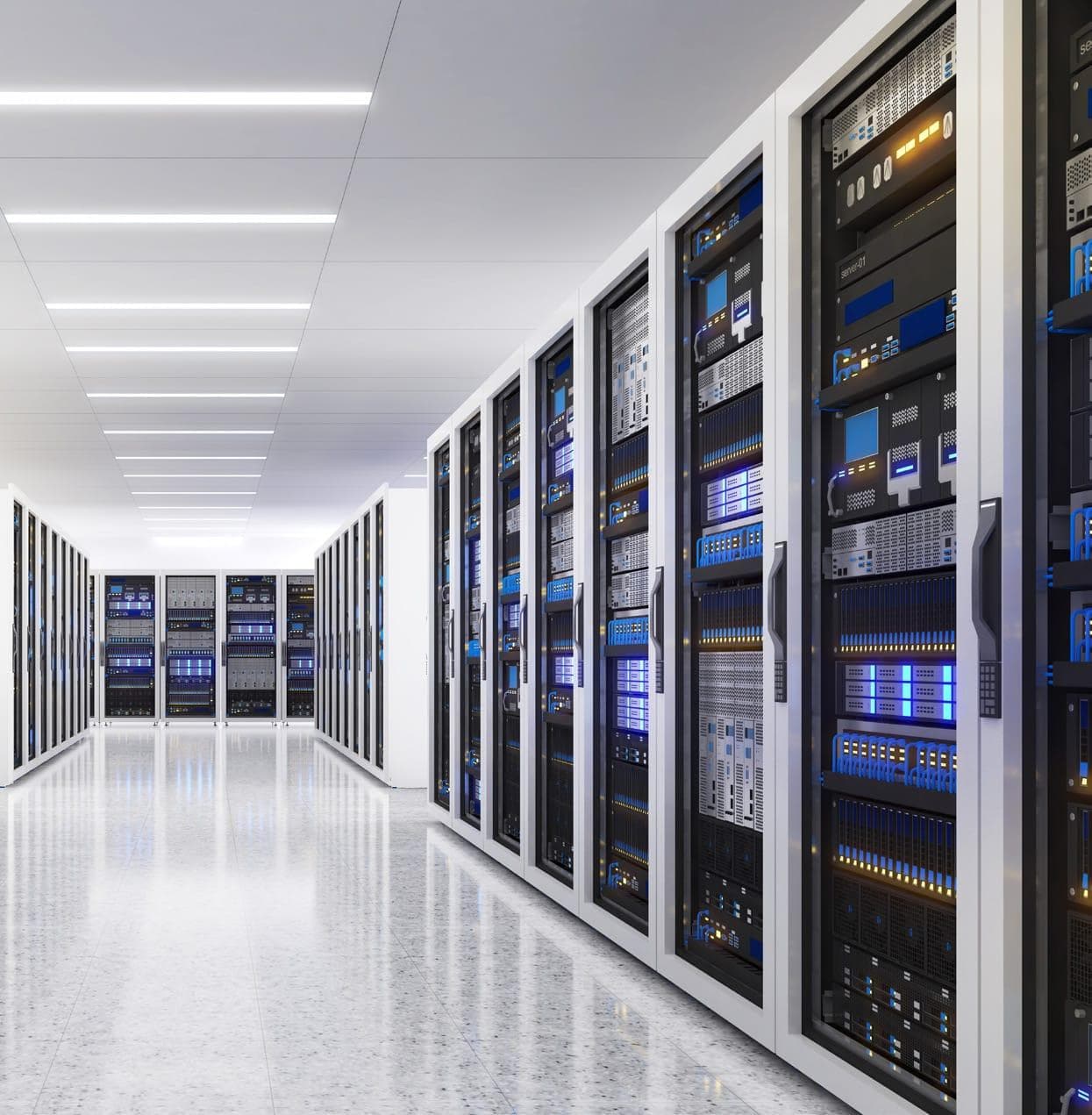
Ceiling Systems as Infrastructure: Designing Flexible, Energy-Efficient Data Centres
As data centres grow in scale and complexity, ceiling systems are playing a more critical role in performance. This white paper explores how ceiling design influences airflow, cooling efficiency and service coordination, helping architects deliver flexible, energy-efficient data centres that can adapt to evolving technology demands.
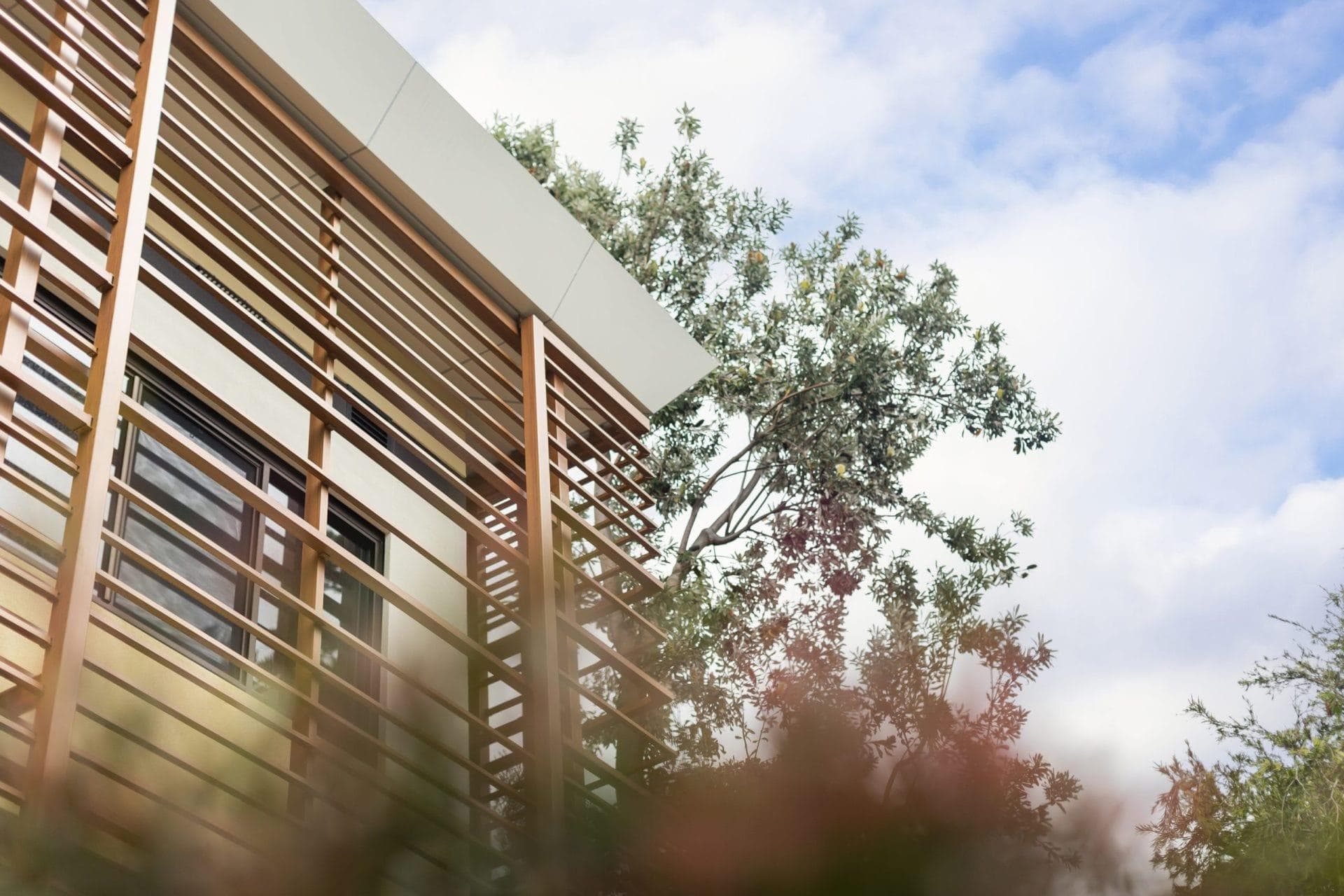
Sustainability eBook 2025
Australia’s leading sustainability projects continue to show how thoughtful design, material choice and lifecycle thinking shape the built environment. This year’s Sustainability Awards shortlist highlighted standout projects that balance performance, environmental responsibility and a strong connection to place.