
Environmental Product Declarations – A key requirement in external facade selection
In this whitepaper, we take a closer look at EPDs, what they are, how they work, their benefits, and the important role they play in design and construction.
Specifying eco-friendly and sustainable products is one way to reduce the impact of building and construction on the natural environment. With the plethora of building products on the market, objective and unbiased environmental information is needed to enable architects and specifiers to compare similar products based on their environmental performance. For this purpose, no tool is more important than Environmental Product Declarations (EPDs).
In this whitepaper, we take a closer look at EPDs, what they are, how they work, and their benefits. In doing so, we demonstrate the importance of EPDs in design and construction, and their positive impact on sustainable building, particularly in the context of external facade selection.
Related Articles
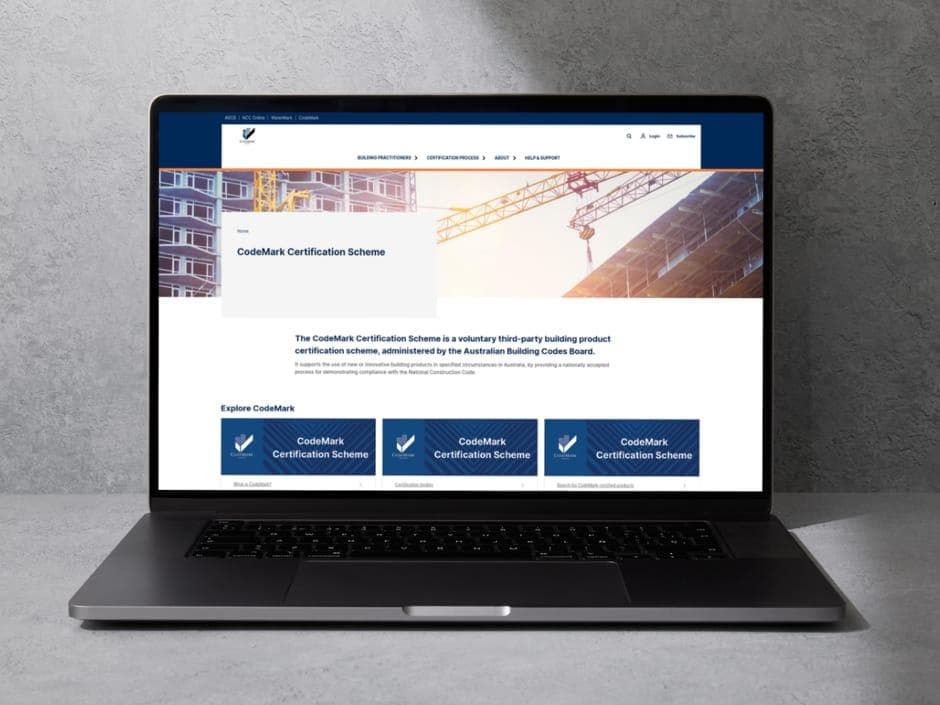
CodeMark Certification: Why Current, Valid Certification Matters For Your Next Project
Current CodeMark certification plays an important role in building product compliance and specification confidence. This article explains why certificate validity matters, what to check before relying on a CodeMark Certificate of Conformity, and how expiry dates, supporting documentation and manufacturing locations can impact product selection and project risk.
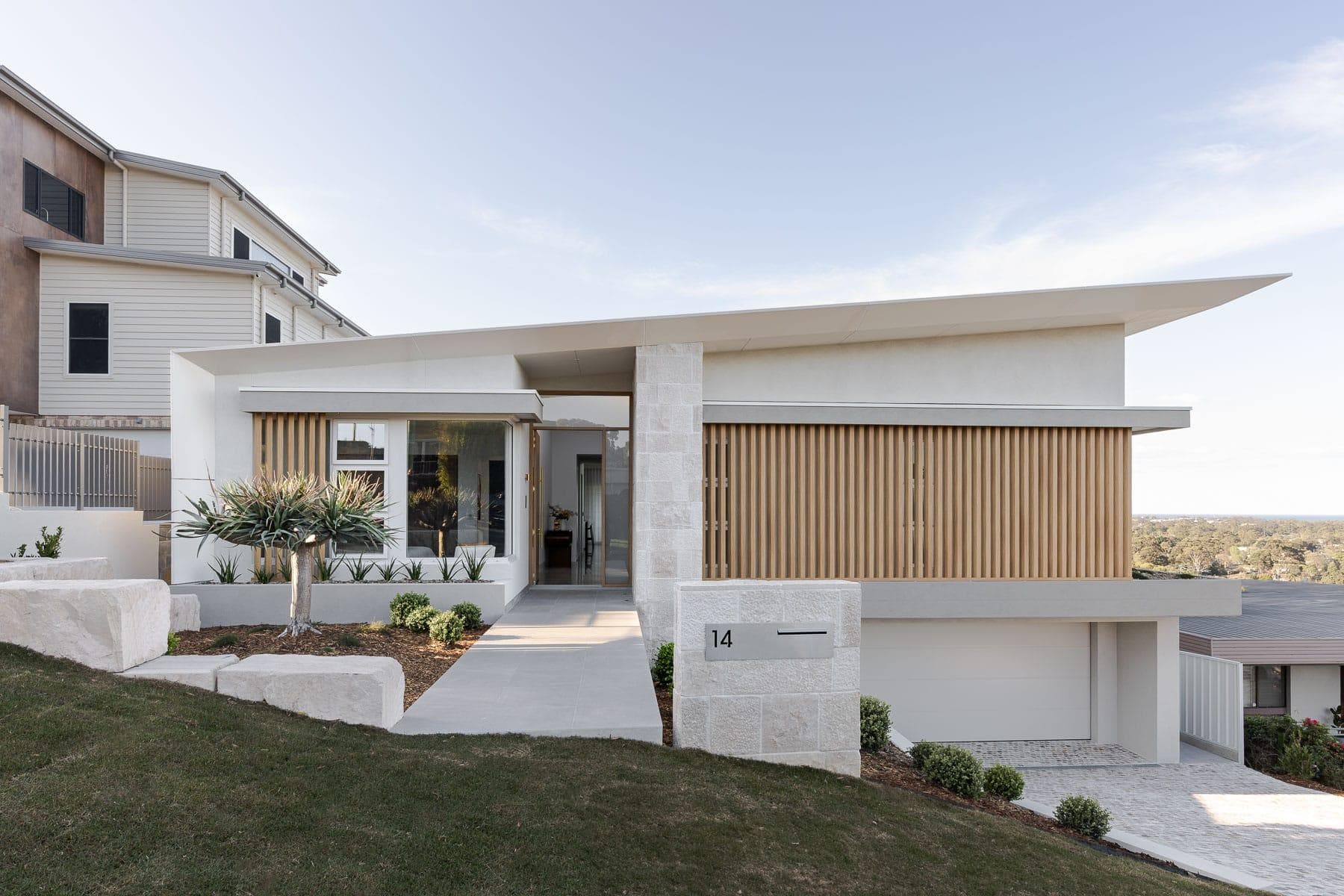
Customising Residential Facades
Residential architecture is moving beyond standardised facades, with growing demand for customised forms, refined detailing and layered materiality. This white paper explores how Aluminium Composite Materials (ACMs) support design flexibility, durability and compliance, helping architects deliver distinctive residential facades that are both buildable and suited to Australian conditions.
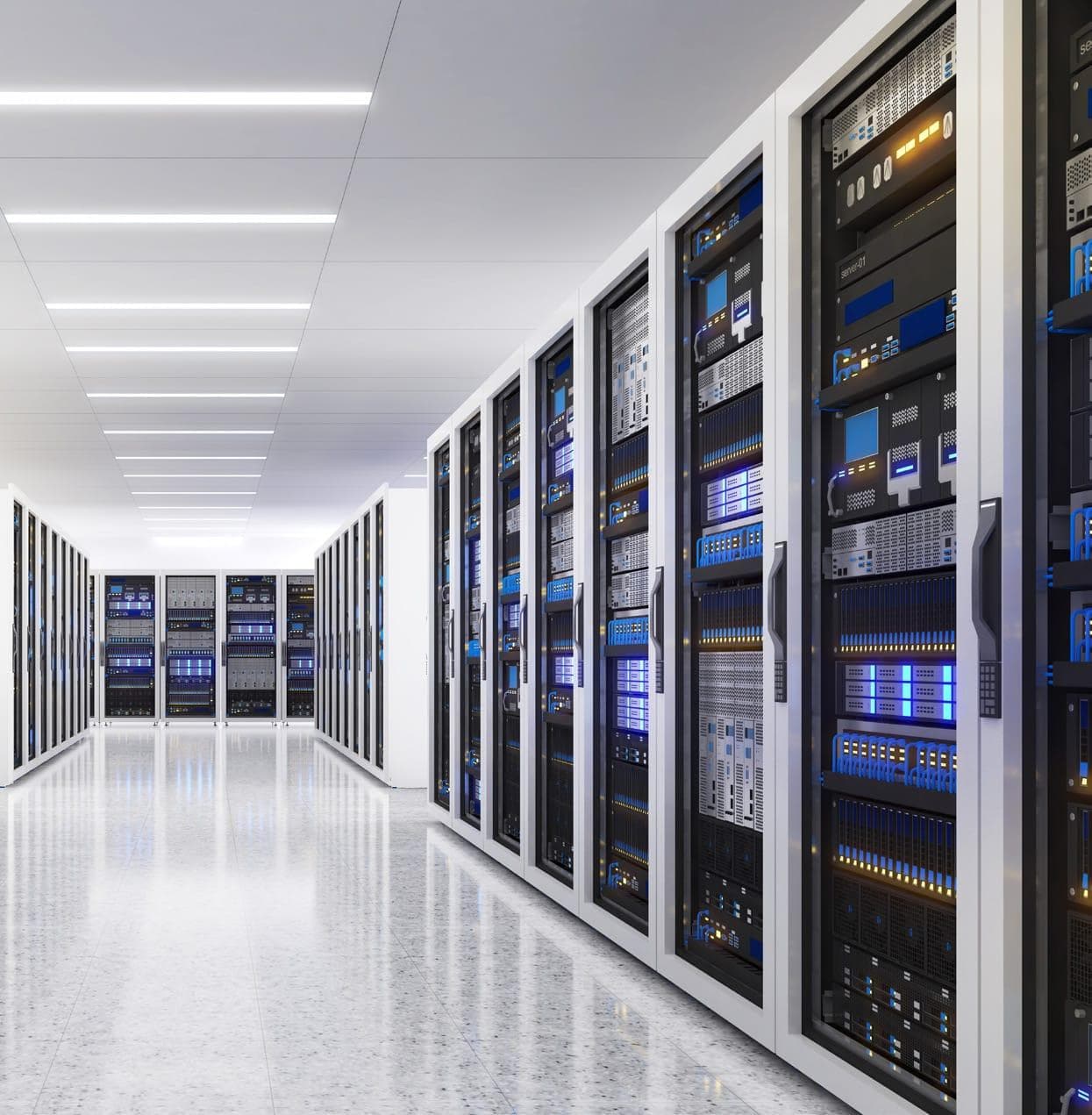
Ceiling Systems as Infrastructure: Designing Flexible, Energy-Efficient Data Centres
As data centres grow in scale and complexity, ceiling systems are playing a more critical role in performance. This white paper explores how ceiling design influences airflow, cooling efficiency and service coordination, helping architects deliver flexible, energy-efficient data centres that can adapt to evolving technology demands.