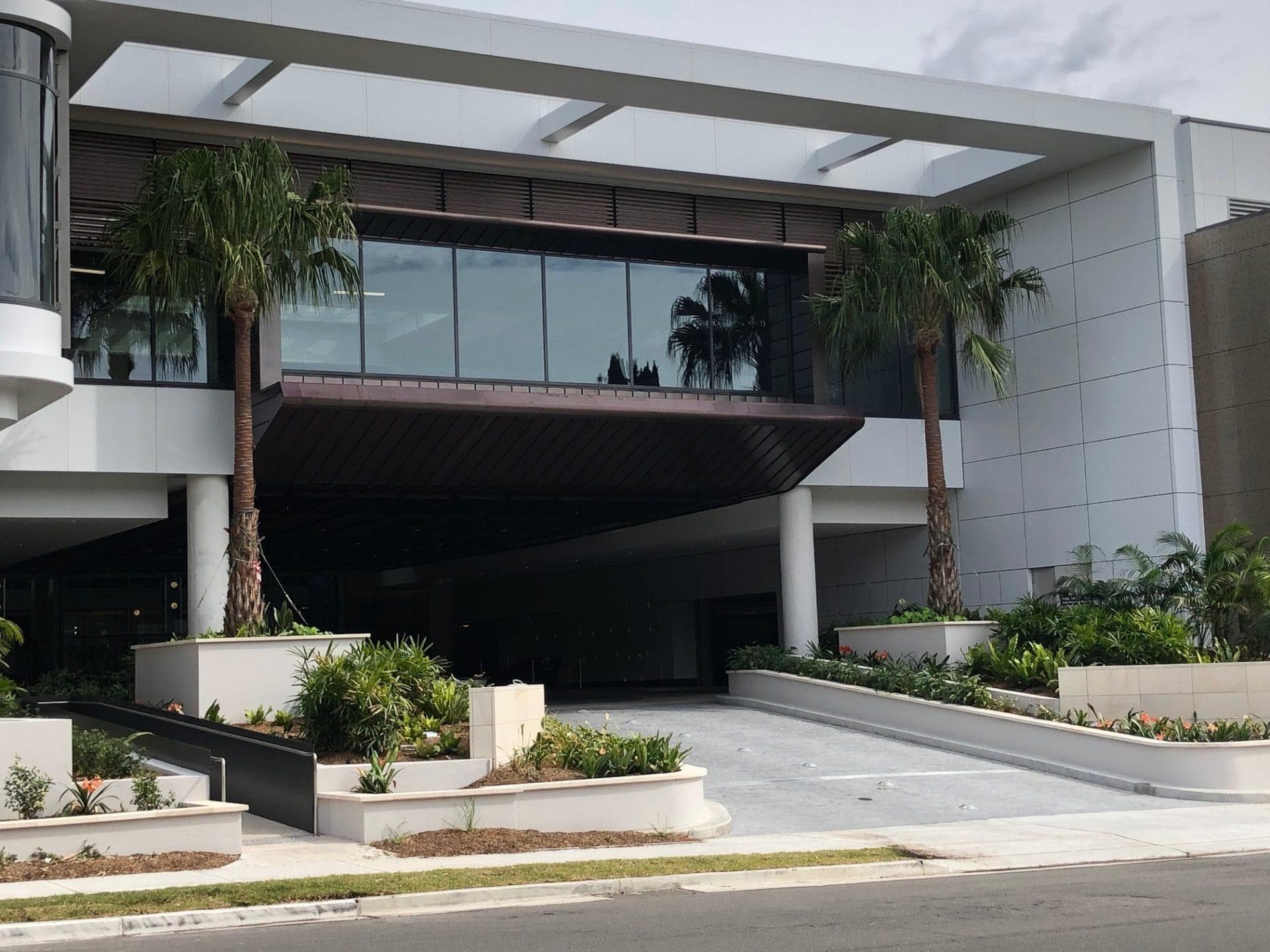
Victorian Government bans high-risk flammable cladding for multi-story buildings
We at Network Architectural would like to applaud the Victorian Minister for Planning, Richard Wynne’s decision to ban the use of high-risk, flammable aluminium composite panels for use as external wall cladding for all multi-storey developments for the future.
We at Network Architectural would like to applaud the Victorian Minister for Planning, Richard Wynne’s decision to ban the use of high-risk, flammable aluminium composite panels for use as external wall cladding for all multi-storey developments for the future.
The line has now been drawn in the sand. Aluminium Composite Panels MUST HAVE a core material of greater than 93% inert filler (inert content) by mass in external cladding as part of a wall system for Type A or Type B construction in Victoria.
ALPOLIC™ by Mitsubishi Chemical Infratec Co., Ltd in Japan has developed the new ALPOLIC NC Non-Combustible Mineral Core Aluminium Composite Material that achieves all of the safety requirements that have been recently implemented in Victoria.
- Core material composed of greater than 95% inert filler (inert content) by mass
- Non-Combustible laminas as t ested to AS1530.1
- Compliant to Australian Standards through DtS Pathway (C1.9) for use wherever non-combustible materials are required
- 20 year FULL Cover Warranty (incl. rectification costs) direct from globally trusted manufacturer (ALPOLIC™ by Mitsubishi Chemical Infratec Co., Ltd)
- Manufactured in Japan with proven world class quality control
- Proven coating durability in Australian conditions for over 30 years
- Significantly less CO2 emission in manufacture than any alternative compliant aluminium façade material
- Significantly less heat transfer than any alternative compliant aluminium façade material
Keep an eye out for this world leading cladding on a building near you.
Related Articles
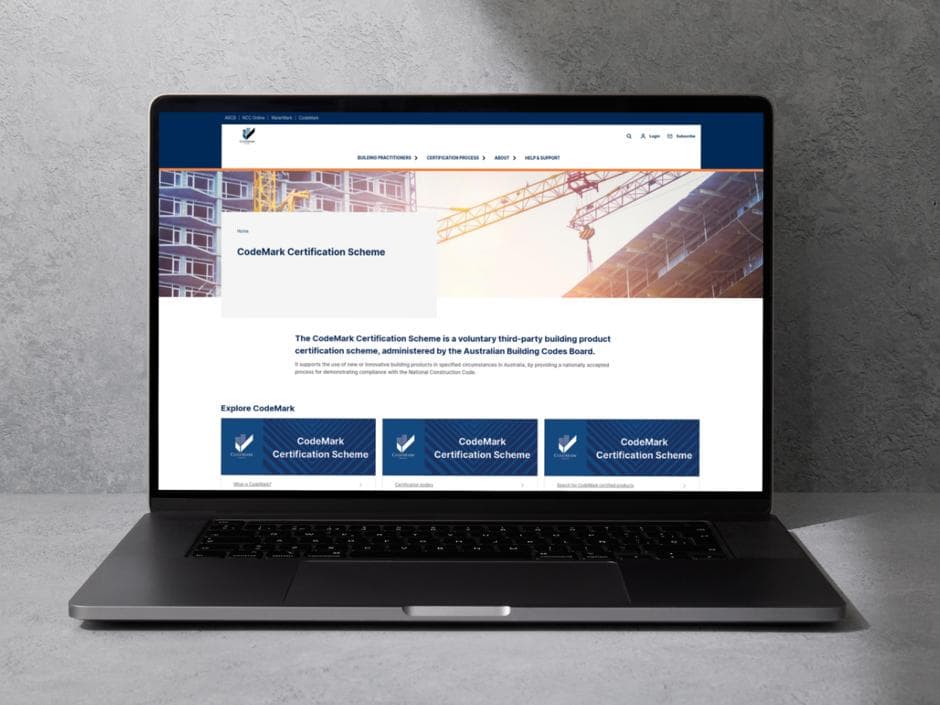
CodeMark Certification: Why Current, Valid Certification Matters For Your Next Project
Current CodeMark certification plays an important role in building product compliance and specification confidence. This article explains why certificate validity matters, what to check before relying on a CodeMark Certificate of Conformity, and how expiry dates, supporting documentation and manufacturing locations can impact product selection and project risk.
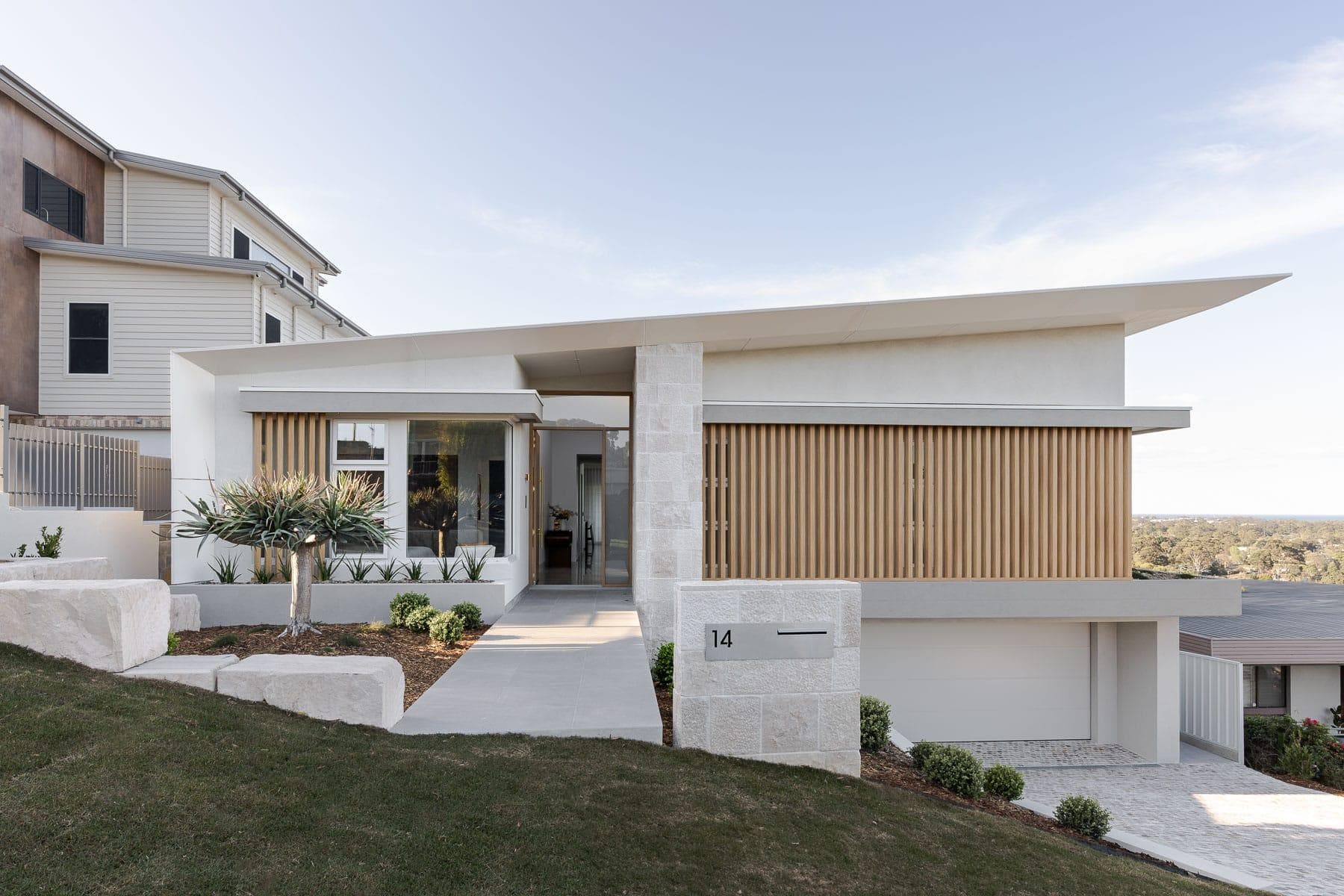
Customising Residential Facades
Residential architecture is moving beyond standardised facades, with growing demand for customised forms, refined detailing and layered materiality. This white paper explores how Aluminium Composite Materials (ACMs) support design flexibility, durability and compliance, helping architects deliver distinctive residential facades that are both buildable and suited to Australian conditions.
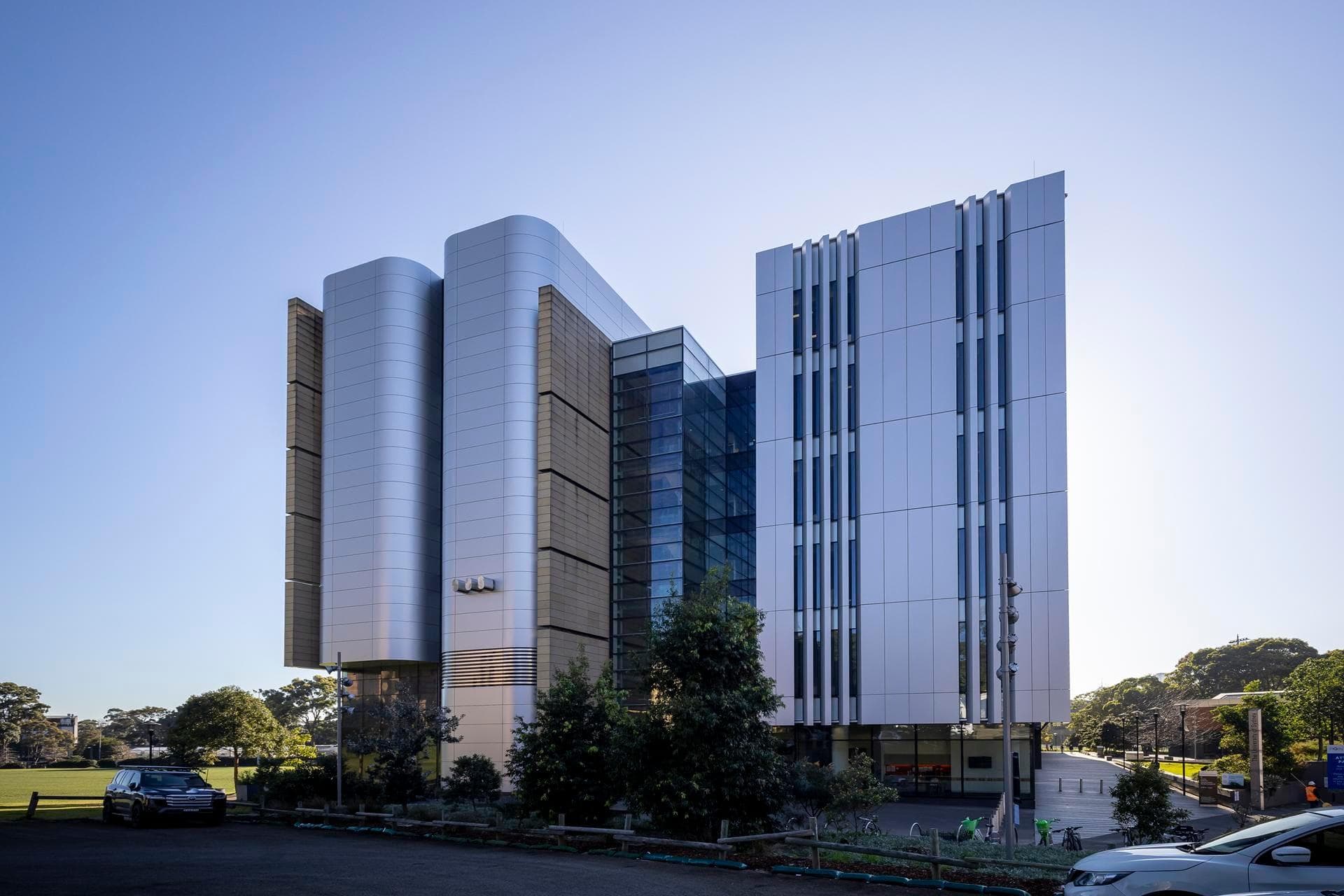
Recladding with Confidence: How the University of Sydney Delivered a Future Proof Façade
When the University of Sydney reclad the Charles Perkins Centre, compliance alone was not enough. This article explores how a premium, maintenance-free façade solution delivered long-term confidence, design integrity and fire compliance, restoring one of the campus’s most recognisable buildings with a future-proof architectural outcome.