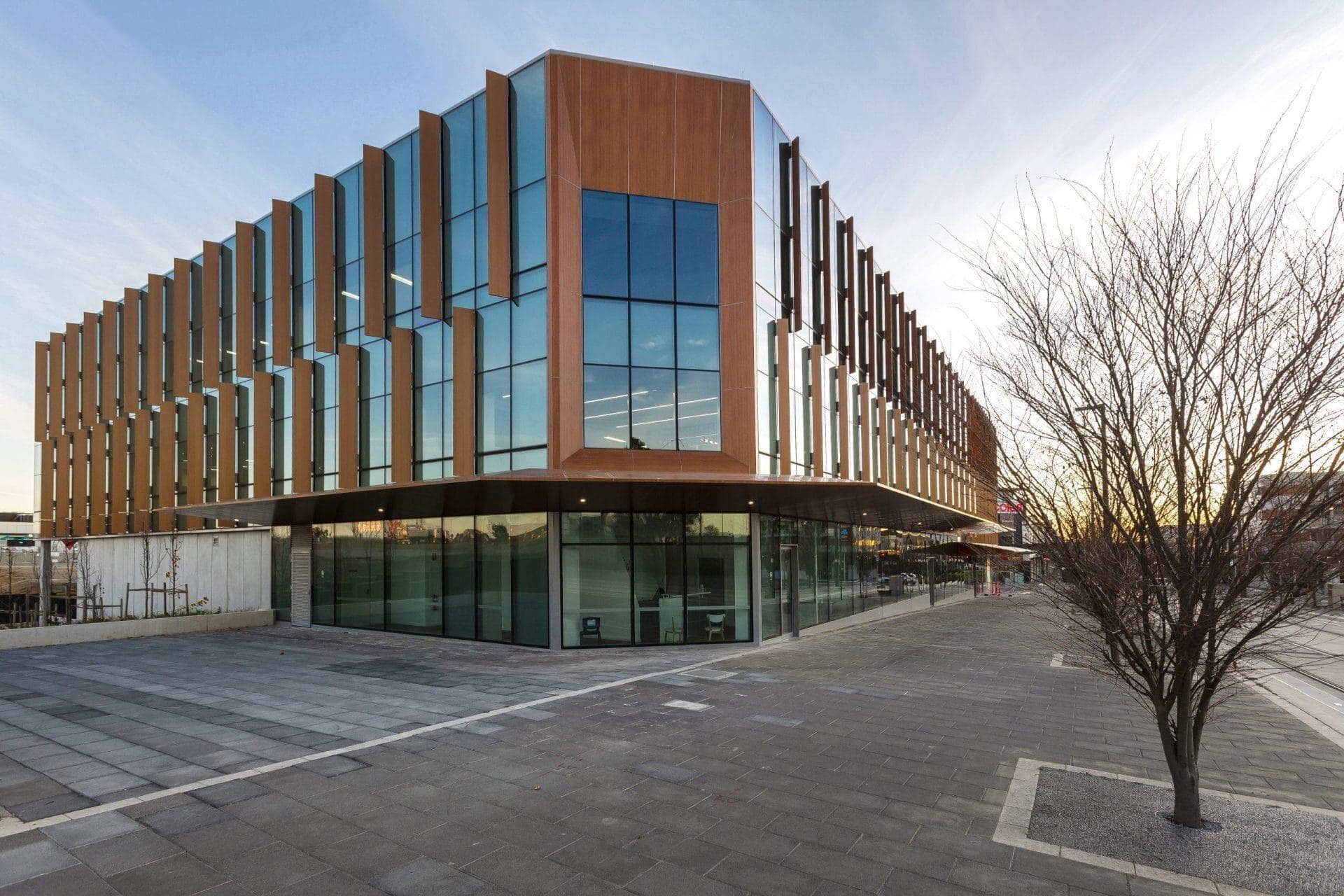
Engineering Resilient Facades
Australia’s extreme climate demands durable facades that ensure safety, performance, and longevity. This whitepaper explores key compliance standards and material solutions, designed to withstand harsh weather and thermal expansion.
Australia’s rising temperatures are intensifying heatwaves, compromising the structural integrity of facade materials through accelerated wear and thermal expansion. These shifting climate conditions present significant challenges for the built environment, demanding facade solutions that can withstand extreme weather while ensuring occupant safety, comfort, and long-term performance.
Engineering Resilient Facades: Performance and Compliance for Australia’s Diverse and Demanding Climate helps architects and specifiers navigate these challenges as it delves into the critical aspects of designing resilient facades, with a particular emphasis on the relevant codes and standards governing weather resistance. Meeting facade performance compliance and testing standards is essential to ensuring buildings can withstand increasing environmental stresses.
Available from Network Architectural, ALPOLIC™ panels are a superior choice for architects aiming to address the challenges of Australia’s extreme climate. Engineered with high-quality aluminium and advanced Lumiflon FEVE paint coating technology, ALPOLIC™ panels maintain their structural integrity, aesthetic appeal, and resistance to denting and thermal expansion for up to 50 years, even under harsh environmental conditions.
Related Articles
CodeMark Certification: Why Current, Valid Certification Matters For Your Next Project
Current CodeMark certification plays an important role in building product compliance and specification confidence. This article explains why certificate validity matters, what to check before relying on a CodeMark Certificate of Conformity, and how expiry dates, supporting documentation and manufacturing locations can impact product selection and project risk.
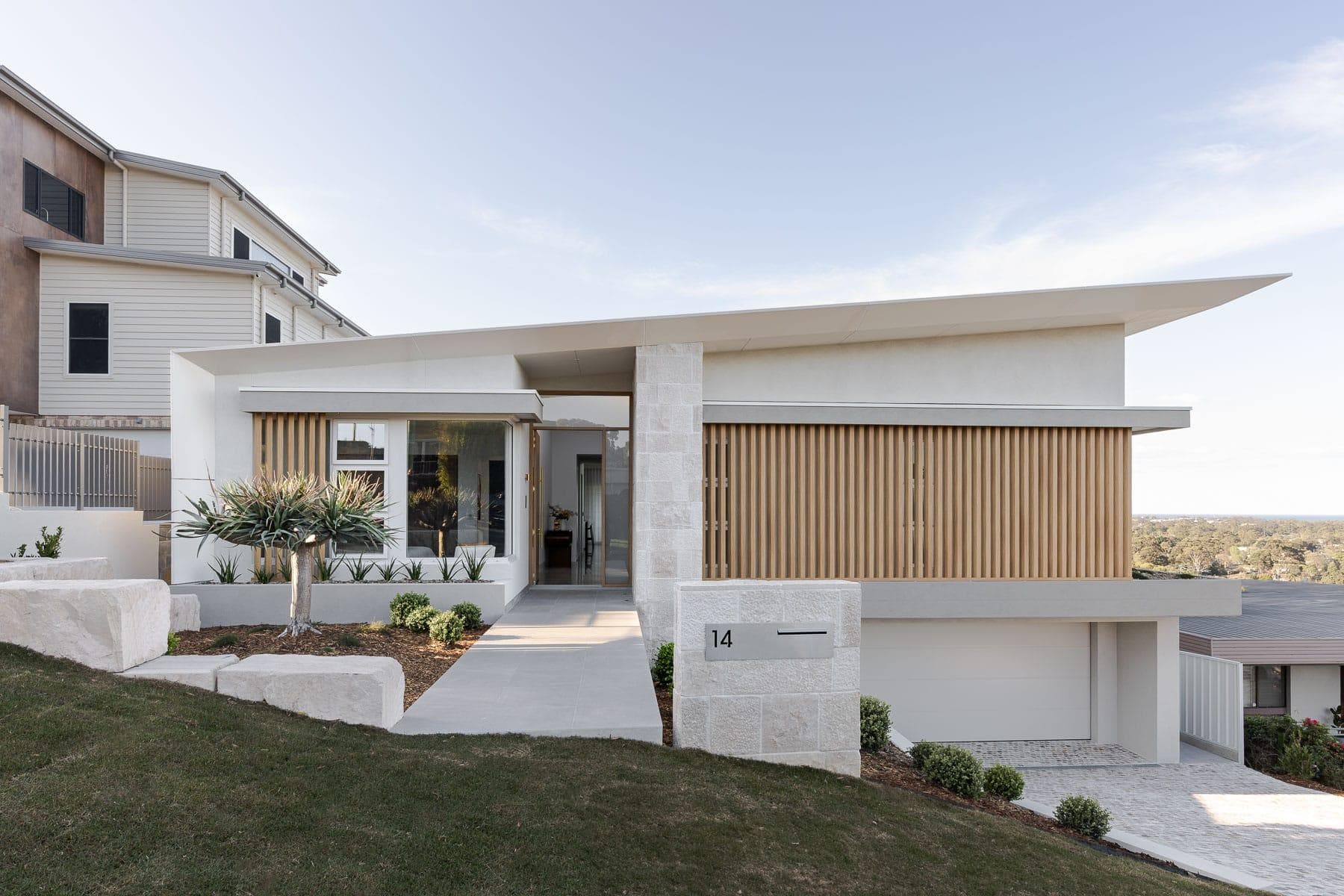
Customising Residential Facades
Residential architecture is moving beyond standardised facades, with growing demand for customised forms, refined detailing and layered materiality. This white paper explores how Aluminium Composite Materials (ACMs) support design flexibility, durability and compliance, helping architects deliver distinctive residential facades that are both buildable and suited to Australian conditions.

Ceiling Systems as Infrastructure: Designing Flexible, Energy-Efficient Data Centres
As data centres grow in scale and complexity, ceiling systems are playing a more critical role in performance. This white paper explores how ceiling design influences airflow, cooling efficiency and service coordination, helping architects deliver flexible, energy-efficient data centres that can adapt to evolving technology demands.