Actions speak louder than words: Our compliance and certifications journey
One of the undisputable pillars of the building and construction industry, certifications have long been one of the most reliable ways to ensure accountability, transparency and commitment.
Whether it’s ensuring compliance with local building standards, demonstrating a product’s fire safety profile or offering an insight into its environmental impact, ensuring the products are independently assessed and verified has become the norm.
Network Architectural hold themselves to the highest of standards, and it is important to them to ensure that their product offering reflects that. In practice, that means going above and beyond the standard certifications stipulated by the Building Code. “That really is the minimum standard that you have to build to,” points out Llewellyn Regler, Technical Manager at Network Architectural. “It’s the bare minimum. We should always try to go beyond it, build beyond just compliance.”
This ambition is aptly expressed in their flagship non-combustible product – ALPOLIC™ NC/A1. The stand-out aluminium composite panel is compliant with the C1.9(e)(vii) clause of the NCC, plus the product obtained A1 classification when tested to the incredibly stringent European fire protection standard EN 13501-1. But Network Architectural and the manufacturer of the panels, ALPOLIC™ by Mitsubishi Chemical Infratec Co., Ltd, have taken the ambition to go above and beyond further. The signature product is verified through the Environmental Product Declaration (EPD) produced by Good Environmental Choice Australia (GECA) and the companies have obtained CodeMark certification through SAI Global. “We want to be as transparent as possible,” Llewellyn states. “And back up our claims with evidence.”
CodeMark verifies compliance with the Building Code through a third-party assessment that involves a detailed review of all relevant test results, as well as a comprehensive audit of the manufacturing facility – in this case, ALPOLIC™ by Mitsubishi Chemical Infratec Co., Ltd’s factory in Japan – as well as Network Architectural’s Australian headquarters. The process is defined by the independent character of the enquiry and its scrutiny – both welcomed by Network Architectural. “It was an extensive process but we’re very happy to be working with SAI Global, because we’re confident that we have CodeMark certification that stands up to utmost scrutiny,” says Llewellyn.
Another independent certification that doesn’t leave one stone unturned is the EPD produced by GECA – a certification Network Architectural and ALPOLIC™ by Mitsubishi Chemical Infratec Co., Ltd consider to be one of the initiatives that set ALPOLIC™ NC/A1 apart from other products on the market.
“There are many cladding companies out there who focus on solid aluminium products and brand them as 100% recyclable,” Llewellyn says. “And there is this perception that if something is recyclable, then it has to be good, right? But what about the energy required to recycle the product? Where does it get recycled, and what does it get turned into? An EPD includes all of that. With an EPD, actions speak louder than words.”
ALPOLIC™ by Mitsubishi Chemical Infratec Co., Ltd, a global leader in aluminium composite panels, has an advanced sustainability agenda, which means they didn’t have to change anything for the purpose of obtaining the declaration because strong sustainable practices were already underpinning their manufacturing processes. Although it took almost nine months to secure the EPD, Llewellyn explains that for ALPOLIC™ by Mitsubishi Chemical Infratec Co., Ltd and Network Architectural, the initiative is an investment – and a demonstration of the brands’ confidence in their own product. “Knowing that our product has CodeMark certification and an EPD shows the person who buys our panel that we stand by it,” Llewellyn explains. “And I think that definitely sets our product apart from other cladding alternatives on the market.”
Related Articles
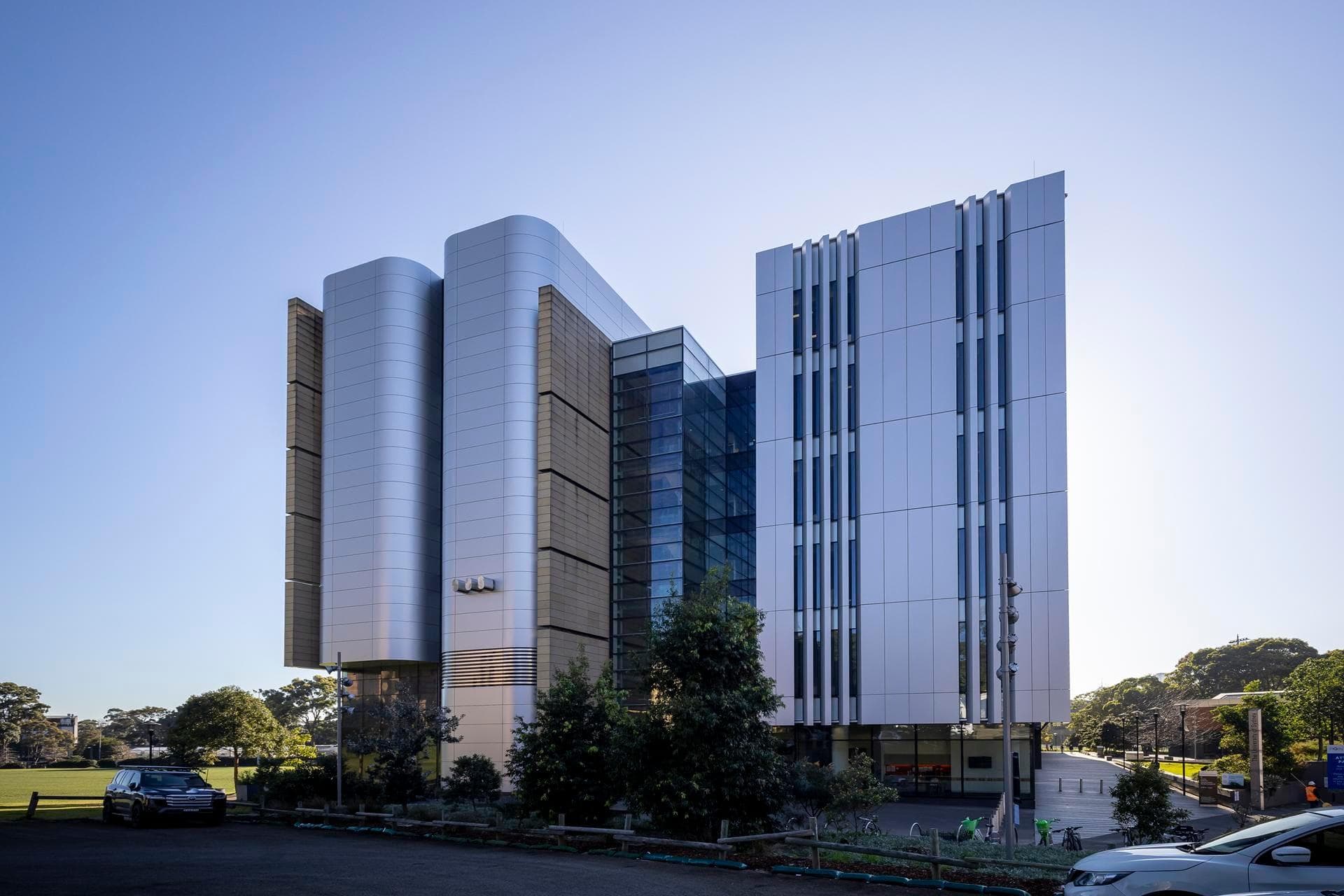
Recladding with Confidence: How the University of Sydney Delivered a Future Proof Façade
When the University of Sydney reclad the Charles Perkins Centre, compliance alone was not enough. This article explores how a premium, maintenance-free façade solution delivered long-term confidence, design integrity and fire compliance, restoring one of the campus’s most recognisable buildings with a future-proof architectural outcome.
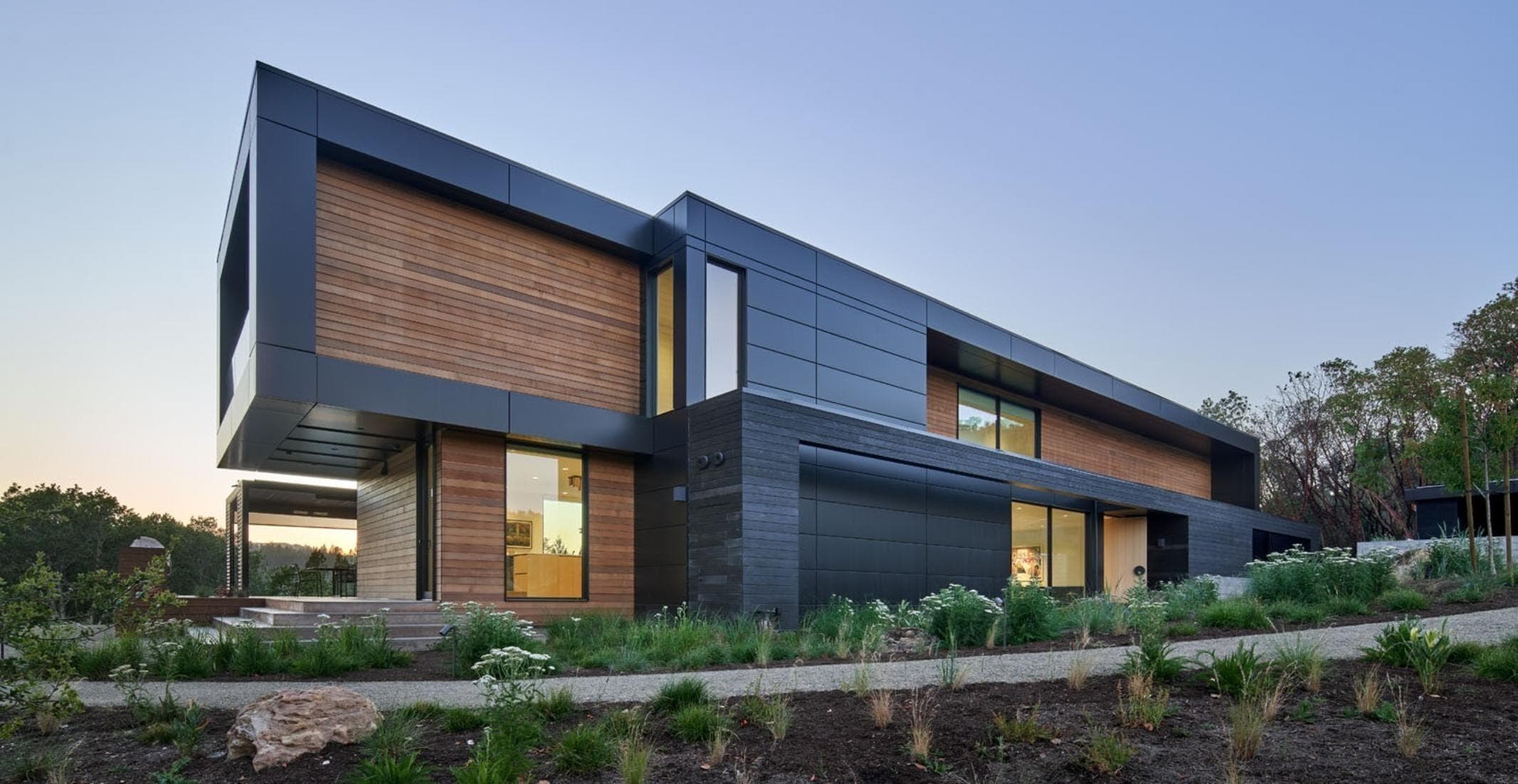
Top 5 Residential Facade Trends in 2026 – and How ALPOLIC™ Brings Them to Life
Australian residential facades are evolving, with 2026 trends favouring clean lines, layered materials, natural finishes and bold colour accents. This article explores the top five residential façade trends shaping contemporary homes and how material choice plays a key role in balancing design expression, durability, sustainability and long-term performance.
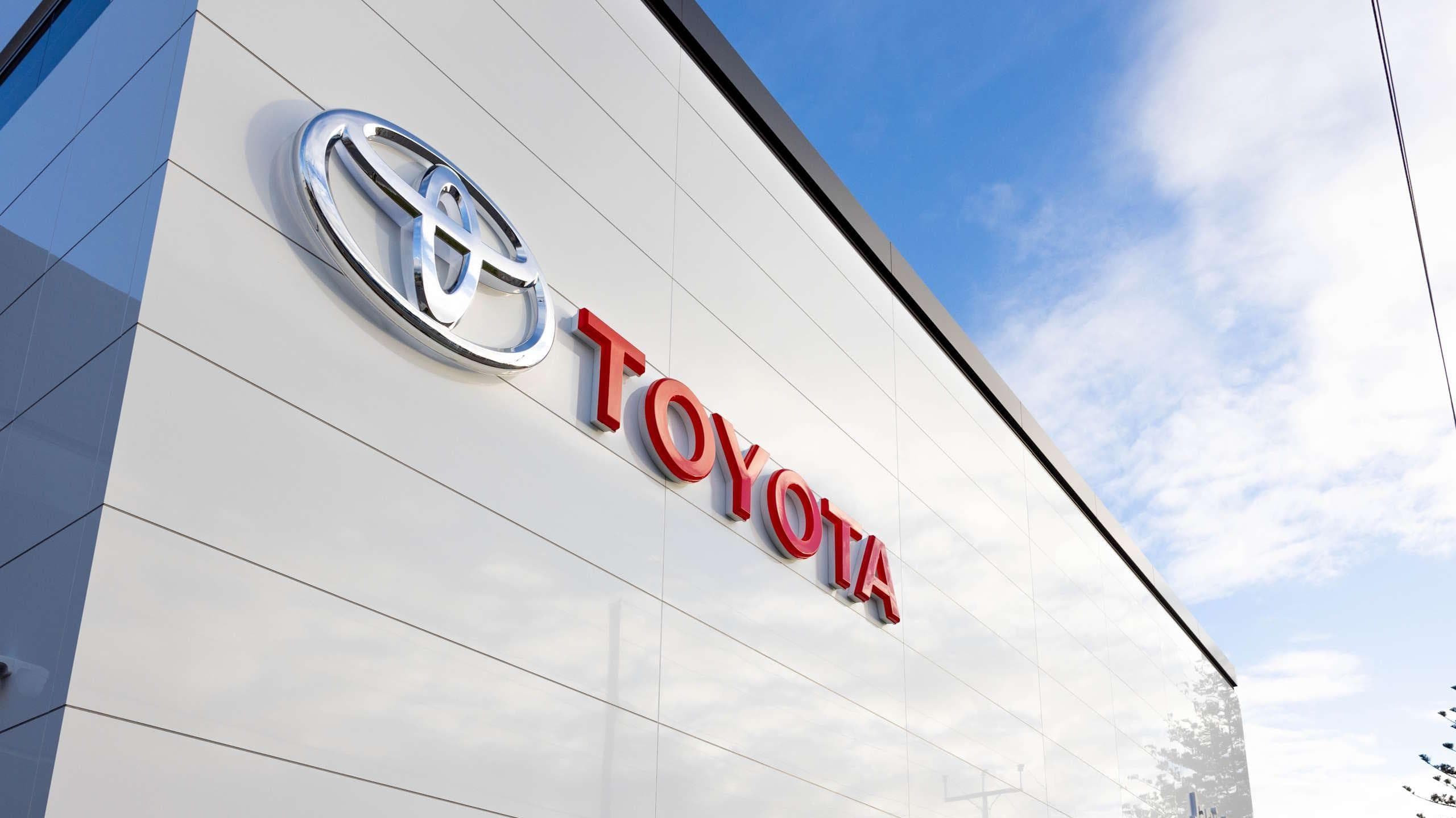
How ALPOLIC™ Became the National Standard for Toyota Dealerships
Toyota’s nationwide brand consistency relies on materials that look flawless, perform reliably and meet strict compliance standards. This article explores why ALPOLIC™ has been Toyota’s trusted façade and signage solution for more than two decades, and how its durability, colour stability and technical support have cemented it as the national standard across TMCA dealerships.